
Expert Picks For Stamped Concrete Service Equipment and Materials
Get insights into the must-have products that help professionals achieve flawless stamped concrete finishes.
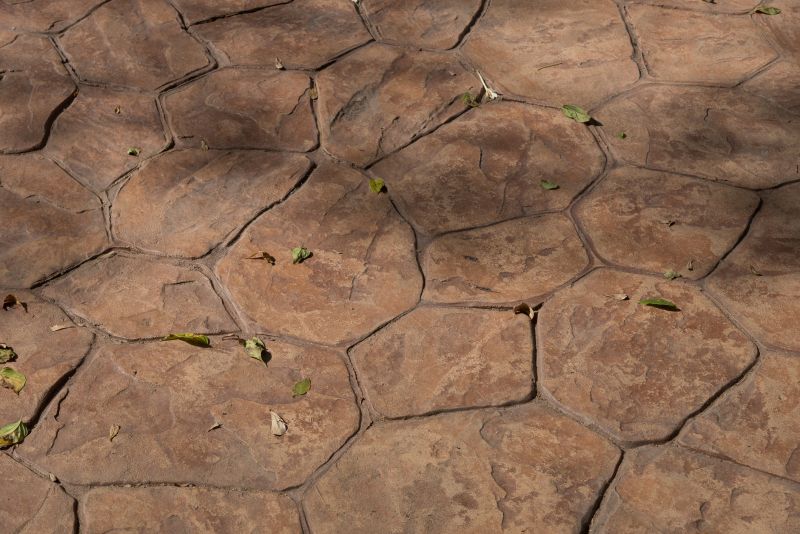 Stamped concrete services in Snohomish, WA, offer a versatile and aesthetically appealing option for enhancing outdoor and indoor surfaces. This technique involves imprinting patterns and textures onto freshly poured concrete, creating the appearance of materials such as brick, stone, tile, or wood. The process allows for customization in design, color, and texture, making it suitable for a variety of residential and commercial applications including patios, walkways, driveways, and pool decks. Proper selection of products and tools is essential to achieve durable and visually appealing results.
Top Overall Option
Stamped Concrete Texture Mats
Stamped concrete texture mats are essential tools that enable the creation of realistic patterns on freshly poured concrete. These mats come in a variety of designs mimicking natural stone, brick, or tile, and are made from durable materials to withstand repeated use. When paired with appropriate coloring agents and sealers, they help achieve detailed and textured surfaces that enhance the visual appeal of any project. Selecting high-quality mats that are compatible with your concrete mix and application environment can contribute to consistent, professional-looking results.
Types of Products For Stamped Concrete Service
Stamping Pattern Mats
Pattern mats are flexible or rigid molds used to imprint specific textures onto concrete surfaces, creating realistic stone, brick, or tile effects.
Color Hardener
Color hardeners are powders applied to the surface of concrete to add vibrant, durable color and enhance the textured appearance.
Release Agents
Release agents prevent the stamping mats from sticking to the concrete, ensuring clean removal and sharp pattern definition.
Integral Color
Integral color is mixed into the concrete before pouring, providing a uniform base color that complements stamped patterns.
Color Stains
Color stains are liquid dyes applied to the surface to add depth and variation to the stamped concrete, enhancing realism.
Sealers
Sealers protect the stamped surface from stains, weather, and wear, while enhancing color vibrancy and texture.
Texturing Rollers
Texturing rollers are tools used to add additional surface detail or to create custom textures on concrete.
Jointing Tools
Jointing tools help create control joints in stamped concrete to prevent cracking and facilitate expansion.
Concrete Mixes
Specialized concrete mixes designed for stamping include additives that improve workability and durability of textured surfaces.
Edge Forms
Edge forms define clean borders and edges for stamped concrete installations, contributing to a finished look.
Popular Choices
Pattern stamps are widely used for creating diverse textures and mimicking natural materials in stamped concrete projects.
Polymer sealers are popular for their enhanced durability and gloss, providing protection and aesthetic appeal.
Colored release powders add contrast and realism to stamped patterns, making them a favored choice among professionals.
Liquid dyes are frequently used for adding subtle color variations and accents to stamped concrete surfaces.
Complete stamping kits include mats, release agents, and tools, providing a comprehensive solution for concrete stamping.
High-performance sealers are preferred for their long-lasting protective qualities and ease of application.
Additives that enhance surface texture are gaining popularity for creating unique and customized stamped finishes.
Flexible molds allow for intricate designs and curves, expanding creative options for stamped concrete.
Water-based stains are favored for their ease of use and ability to produce vibrant, translucent color effects.
Tools designed for creating clean, decorative edges are popular for professional finishes.
For professionals and DIY enthusiasts alike, the quality of the products used in stamping concrete plays a crucial role in the final outcome. From stamping mats to coloring agents, each component contributes to the texture, pattern clarity, and color consistency. It is important to choose products that are compatible with each other and suited for the specific project requirements. Additionally, understanding the different types of products available can help in planning a successful stamped concrete project.
In Snohomish, WA, where weather conditions can influence the curing and setting process, selecting the right products that can withstand local climate factors is also vital. Proper application techniques, combined with high-quality products, can result in a surface that is both attractive and long-lasting. Consulting with local suppliers or experienced contractors can provide valuable insights into the best products for your specific needs, ensuring a smooth and satisfying project experience.
Key Buying Considerations
- Compatibility of products with existing concrete surface and project requirements
- Durability and weather resistance of sealers and coloring agents
- Ease of application and working time for the products used
- Variety of patterns and textures available to match design goals
- Compatibility of release agents with stamping mats to ensure clean removal
- Color options and ability to achieve desired aesthetic effects
- Cost-effectiveness and longevity of the products selected
- Availability of replacement parts or additional mats for future projects
- Local climate considerations, especially in Snohomish, WA, for sealing and curing
- Surface preparation requirements before applying stamping products
- User reviews and recommendations from local contractors or suppliers
- Environmental factors such as UV exposure, moisture, and temperature fluctuations
- Manufacturer reputation and product support services
- Safety instructions and handling requirements for chemical products
- Warranty or satisfaction guarantees offered by suppliers